What is behind Saudi request for Egyptian troops?
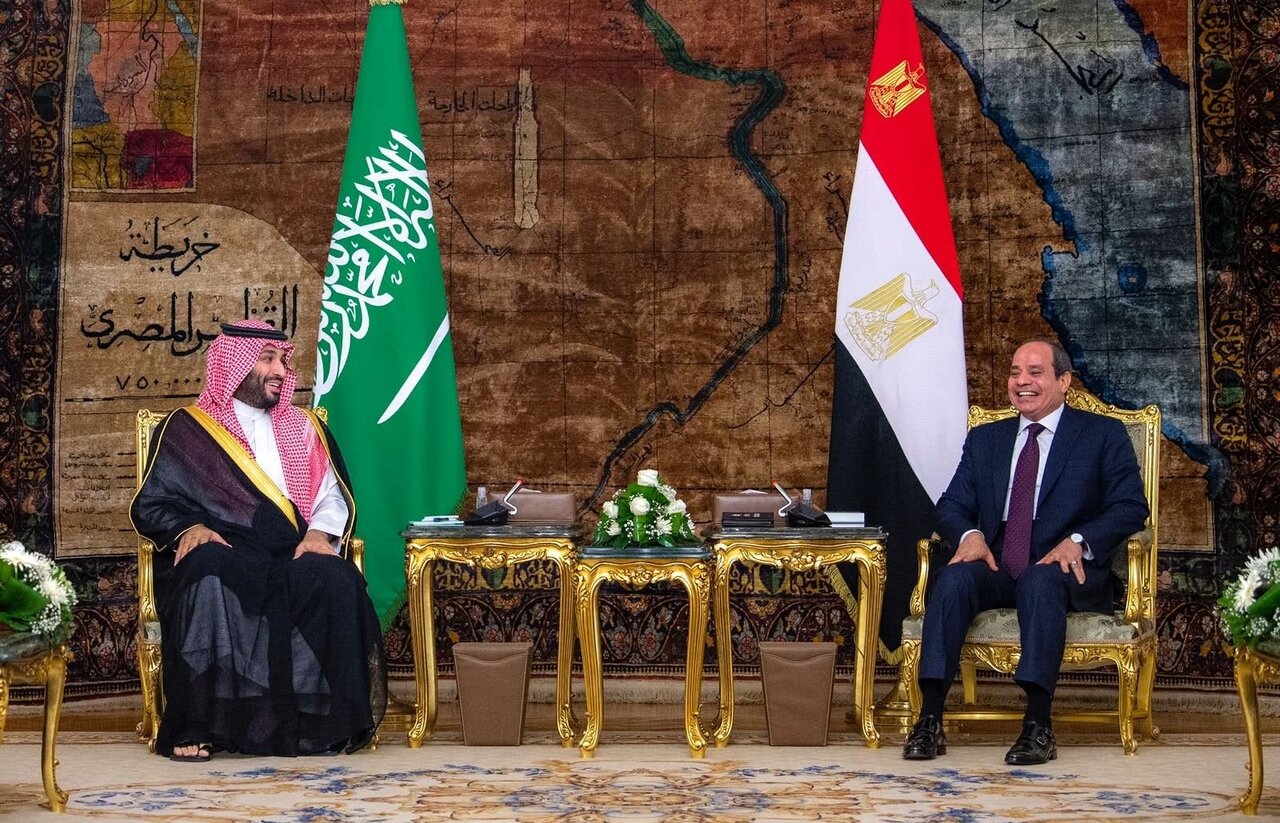
LONDON – On October 26th Saudi Arabia requested for Egypt to send troops to Saudi Arabia, and the Egyptian House of Representatives voted by a two-thirds majority to authorize this. The consideration of steps towards establishing an Egyptian military presence on Saudi territory, reflects broader concerns that go beyond the immediate need to strengthen conventional defense.
These concerns may be linked to the possibility of the Yemeni-Saudi confrontation expanding into a ground conflict, or Saudi territory coming under pressure from multiple directions. This includes concerns relating to Ansarallah in Yemen, the Saudi-Iraqi border, and the possibility of movements or instability in the Kingdom's eastern region.
The purpose of a potential Egyptian military presence is not necessarily to enter a war inside Yemen, since a ground intervention there is considered a high-cost option that could exhaust military forces and prolong the confrontation.
Rather, the broader significance lies in the fear that the expansion of the Axis of Resistance and liberation could change the regional balance of power, forcing the countries concerned to reassess their security calculations and seek additional defense arrangements.
Nevertheless, interpreting any military movement or request for defense cooperation requires distinguishing between confirmed information about the nature and objectives of a deployment, and conclusions about the concerns that may be motivating it.
The growing regional defense initiatives, if they continue and expand, could represent one of the signs of a transition away from a period in which the United States dominated the role of security guarantor, towards an era in which multiple centers of power and alliances emerge.
In such a situation, the question will no longer be limited to which country possesses the greatest military strength. Instead, it will concern which party can provide security, energy, trade and stability to its partners, and which can manage crises without imposing costs on others that exceed their capacity to bear them.
This is where the new alliances connect with the wider transformations taking place in the war. The more confidence declines in Washington's ability to protect its allies' interests, the stronger the incentive becomes for those allies to seek alternatives, even if those alternatives are not yet fully developed or cohesive.
Leave a Comment